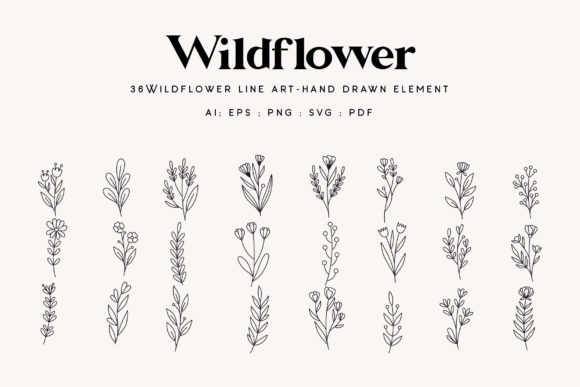
36 Wildflower Line Art Hand-Drawn Bundle Review
As an experienced embroidery designer and product reviewer, I often find myself sifting through countless digital design bundles in search of something that feels both unique and practical. The 36 Wildflower Line Art Hand-Drawn Bundle caught my attention for its organic aesthetic and thoughtful variety. Let me walk you through how this set performed when I tested it on a real-world project: a custom embroidered tote bag for a boutique client.
First Impressions and Design Personality
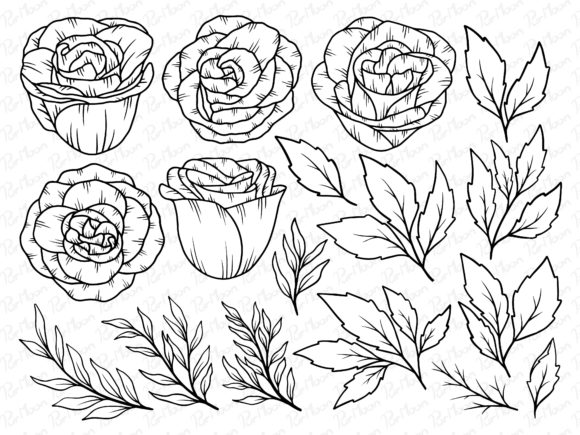
The first thing that stood out about the 36 Wildflower Line Art Hand-Drawn Bundle was its handmade feel. These are not rigid or overly stylized illustrations; they’re soft, flowing, and reminiscent of traditional botanical drawings. The line art is clean yet expressive, with delicate curves and subtle variations that give each wildflower a distinct character. This kind of detail can elevate a simple embroidery project into something that feels personal and artisanal.
I found the designs to be versatile enough to blend into various themes—rustic, minimalist, whimsical, or even vintage-inspired. Their muted complexity makes them suitable for both background patterns and standalone accents. For someone running a craft business or creating personalized gifts, these could serve as signature motifs that add visual warmth without overwhelming the eye.
Real-Life Embroidery Performance
When I applied one of the larger wildflower designs to a cotton canvas tote using satin stitch, the results were impressive. The lines stitched cleanly and maintained their shape well, especially since the fabric was stable and the hoop size was generous. I used two thread colors to keep the look monochromatic but added dimension, which worked beautifully.
Smaller pieces from the bundle, like single daisies or tiny sprigs, translated well onto baby clothes and sweatshirts. They provided just enough charm without being too busy. One standout use was on a holiday gift tag made from felt—using a running stitch allowed the design to pop subtly against the textured surface. However, I noticed that some intricate stems and petal details could get lost if the fabric was too thin or stretchy.
For custom apparel like t-shirts or caps, the designs held up reasonably well when properly stabilized. But curved surfaces like caps required careful placement and sometimes resizing to fit the contour. If you're planning to embroider a cap, definitely test the design on scrap material before finalizing your layout.
Where to Use With Caution
- Small Hoop Sizes: Some of the more detailed flowers might require more space than you have available. If you're working within tight constraints, consider simplifying the design or choosing smaller elements from the bundle.
- Textured or Thin Fabrics: While the line art adapts well to most materials, it may not show up as clearly on very thin or heavily woven fabrics. Test different types before committing to production runs.
- Stretchy Fabrics: Stretch can distort fine lines and small details. Stick to woven or quilted materials where precision is easier to maintain.
- Dark Backgrounds: The hand-drawn style shines brightest on light-colored fabrics. On darker materials, thread color contrast becomes crucial. I recommend experimenting with white or cream threads for better visibility.
- Frequent Washing: For items like tea towels or aprons, ensure you use quality threads and proper stabilizers to prevent fraying or fading over time.
Visual Appeal and Project Value
These wildflowers bring a sense of nature and nostalgia to any embroidered patch or tote bag design. The consistent line weight and artistic balance make them easy to integrate into layered projects. When paired with text or other graphics, the designs don’t compete—they complement. That’s a rare and valuable trait in any machine embroidery design.
What really impressed me was how they enhanced the handmade product vibe. Customers responded positively during a test batch, commenting on how “real” and “thoughtful” the stitching looked. It’s the kind of design that speaks to the personalized gift market and fits naturally into branding for eco-conscious or nature-themed shops.
Designer Notes and Best Practices
- Test on Scrap Fabric: Always do a trial run, especially if you’re using non-standard materials. This helps catch potential issues with stitch distortion or tension.
- Review Stitch Density: Since these are line-based illustrations, adjusting stitch density can help avoid gaps or overlaps depending on the fabric.
- Check Thread Contrast: Use black-and-white mockups to see how the design will appear on different fabric shades. Sometimes a muted thread color can disappear on a pastel background.
- Confirm Hoop Size: Larger wildflowers may need a bigger hoop to stitch correctly. Don’t assume—check the recommended dimensions if available.
- Inspect Small Details: Look closely at corners and intersections in the line art. These areas can cause breakage or uneven stitching if not carefully managed.
- Use Proper Stabilizer: Especially for delicate or stretchy fabrics, a good backing stabilizer is key to keeping the design intact and sharp.
- Confirm Licensing: Before selling finished products or using these in commercial design assets, always check the licensing terms. You want to avoid any legal hiccups down the line.
Commercial and Etsy Applications
As an Etsy seller or small shop product creator, this bundle has strong appeal. Its hand-drawn quality aligns well with the handmade market, and the diversity of shapes allows for multiple uses across your inventory. I imagine these would work great as part of a seasonal collection—springtime baby clothes, summer wedding invitations, or fall-themed holiday embroidery tags.
For digital embroidery file sellers, this is a solid choice for listing as part of a botanical or floral theme. The natural look could attract customers looking for customizable, high-quality illustrations to apply to a range of graphics—from greeting cards to printable mockups.
Final Thoughts on Branding and Giftability
One of the biggest wins for this bundle is how it supports brand consistency. Whether you're designing for a boutique or building your own craft business, having a cohesive set of wildflower motifs can unify your product lineup. The designs feel intentional and curated, which reflects professionalism and care in your finished product.
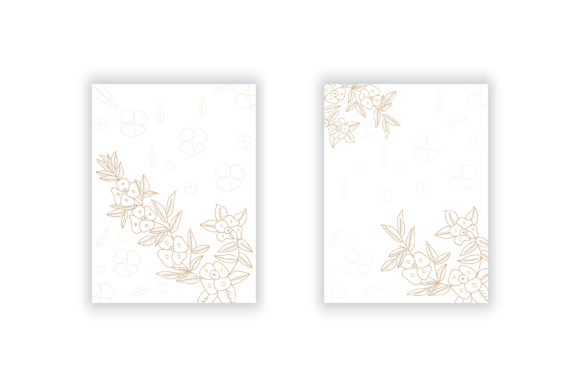
They also contribute to buyer engagement. In a sea of generic florals, the hand-drawn style stands out. It adds a story—something many customers today are looking for. A tote bag with a subtle wildflower corner detail, for example, doesn’t scream “embroidery,” but it does whisper “carefully made.” And that’s powerful.
If you're evaluating whether to include this in your next embroidery project, ask yourself: Do you want something that feels authentic, not mass-produced? Does your target audience value personalized touches and artisanal aesthetics? If so, then the 36 Wildflower Line Art Hand-Drawn Bundle is worth considering—not just for what it looks like, but for how it feels.