Beauty Botanical Elements: A Practical Embroidery Design Review
As an embroidery designer with years of experience in crafting and reviewing digital design files for real-world use, I always approach new products with a critical eye. Beauty Botanical Elements caught my attention not just for its aesthetic appeal but for how it could realistically perform in various embroidery projects. This review is from the perspective of someone who’s stitched hundreds of designs into totes, apparel, and handmade gifts — and who knows what works and what doesn’t when it comes to machine embroidery.
A Fresh, Hand-Drawn Look That Feels Natural
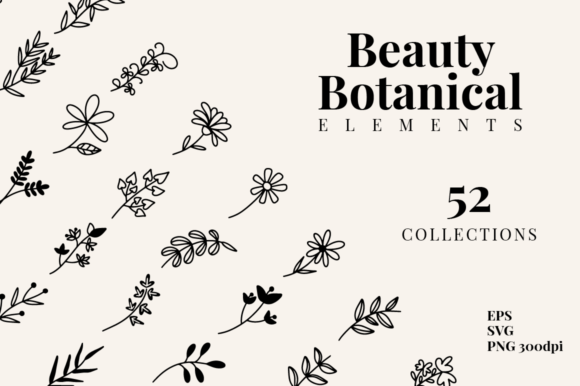
The first thing that stands out about Beauty Botanical Elements is the hand-drawn quality. These linear wildflowers and stems are rendered with an ink pen style, giving them a soft yet deliberate feel. The vector format makes them clean and scalable, which is essential for any good embroidery file. The transparency of the PNGs allows for easy layering and integration with other elements or backgrounds — a big plus if you're working on printable mockups or designing for multiple product types.
I find the overall mood of this design to be organic and serene. It's perfect for creating a nature-inspired vibe without being too busy or overwhelming. The layout suggests flexibility; whether you're using a single stem as a subtle accent or combining several elements into a full botanical scene, there's room to play. However, this also means you need to be intentional about placement and spacing to avoid visual clutter, especially in small formats.
Real-Life Use Cases: Where Beauty Botanical Elements Shine
I recently tested these elements on a custom embroidered tote bag for a boutique client. The design worked beautifully on cotton canvas, where the lines remained crisp and the stitches held their shape. It also translated well into a baby item project — a onesie with a simple floral line down the back. Here, the gentle curves and minimal fill areas made it ideal for delicate stitching on stretchy knits, provided the right stabilizer was used.
- Custom Apparel: The linear style suits sweatshirts and t-shirts with both light and dark fabric backgrounds. On lighter fabrics, consider using contrasting thread colors for better visibility.
- Tote Bag Design: Ideal for adding a natural touch to reusable bags. The simplicity of the design complements larger, open spaces well.
- Baby Embroidery: Great for soft, whimsical accents on rompers, hats, or blankets. Just ensure stitch density isn't too tight on stretchy materials.
- Holiday Gifts: When combined with text or seasonal motifs, the botanical elements add charm without overdoing it.
- Embroidered Patch: The SVG format is suitable for applique-style patches, especially those with satin stitch outlines and minimal fill.
- Nursery Decor: As part of a layered design with other illustrations, it brings a cohesive, calming botanical theme.
For commercial embroidery, I’ve used this set on aprons and tea towels at a local craft fair. Customers responded positively to the understated elegance, and the design helped elevate the perceived value of the finished product. It didn’t scream "handmade," but it certainly whispered it — which is exactly what many craft business owners and Etsy sellers want for a more professional look.
Where to Use With Caution
While Beauty Botanical Elements is versatile, there are situations where it might require extra care or even reconsideration:
- Small Hoop Sizes: The fine details can become lost or distorted if the hoop size is too tight. Always check the design dimensions before purchasing.
- Textured Fabrics: On denim, flannel, or felt, the running stitch and thin lines may not hold up as cleanly. Test on a sample piece first.
- Stretchy or Thin Fabric: Without proper stabilizer, the design could pucker or distort during stitching. Especially true for curved surfaces like caps or hats.
- Dense Stitch Areas: Some parts of the design have tighter fills. If your machine struggles with dense stitching, consider reducing stitch density or using a different thread type.
- Dark Fabric Backgrounds: The contrast between the design and the fabric matters. Darker threads may not show up as clearly, so test color combinations on actual fabric before finalizing a project.
If you’re planning to embroider onto something that will see frequent washing — like kitchen towels or gym apparel — be sure to inspect the design for durability. The fine lines may fray slightly over time, depending on the fabric and thread used.
Design Notes From the Field
Here are some practical tips I’ve picked up while working with Beauty Botanical Elements in live projects:
- Test on Scrap Fabric First: Especially important if you're new to the design or using a different machine setup than usual.
- Check Thread Color Contrast: Don’t assume black thread will pop on every fabric. Try white, cream, or pastel tones for a softer effect.
- Review Stitch Density: If you're working on a commercial project, make sure the stitch count is optimized for production speed and quality.
- Confirm Hoop Size Requirements: While the product description doesn’t specify, always verify the recommended hoop size to prevent distortion.
- Inspect Small Details: Zoom in on the SVG and PNG files to ensure all elements render clearly in your software and preview correctly on your screen.
- Try Black and White Mockups: Before printing or stitching, visualize how the design looks without color. This helps determine legibility and balance.
- Compare Light and Dark Backgrounds: How the design behaves on a white shirt versus a navy tote can influence customer perception and satisfaction.
- Use Proper Stabilizer: Especially on stretchy or lightweight fabrics. A tear-away or cut-away stabilizer can make a huge difference in the final outcome.
- Verify Commercial Licensing: If you plan to sell finished products or digital embroidery files, double-check the licensing terms before listing anything online.
Visual Appeal and Brand Consistency
One of the strengths of Beauty Botanical Elements is its ability to enhance the visual appeal of a wide range of handmade and commercial products. The design has a timeless quality that fits seamlessly into minimalist aesthetics, vintage themes, or modern bohemian styles. For small shop product lines or Etsy listings, this kind of consistency across items is key to building brand recognition.
When paired with other illustrations or graphics in a similar style, the design becomes part of a cohesive collection. This is especially useful for digital embroidery file bundles or printable mockups aimed at creative entrepreneurs who want to offer customers a clear idea of the final look.
Customer Trust and Giftability
In today’s market, buyers expect high-quality results, especially when investing in personalized gifts or custom apparel. Using Beauty Botanical Elements in your projects shows attention to detail and an understanding of design trends. It’s subtle enough to be elegant and bold enough to stand out — a balance that builds customer trust.
As a gift item, the design adds a thoughtful, artisanal touch. Whether it's a holiday embroidery or a wedding gift, the botanical motif feels personal and meaningful. But again, I stress the importance of testing — what looks great on-screen might not translate perfectly to fabric unless you take the time to adjust settings and materials accordingly.
Final Thoughts for the Busy Designer
Beauty Botanical Elements is a solid choice for anyone looking to add a touch of nature to their embroidery projects. Its hand-drawn feel and vector precision give it a unique place in the world of machine embroidery design, especially for those aiming to blend creativity with professionalism.
That said, it's not a one-size-fits-all solution. The design excels in mid-to-large scale applications on stable fabrics but requires careful handling in smaller or more complex embroidery scenarios. Always test, adjust, and confirm before committing to a large batch or a client order.
If you're in the craft business or run an embroidery project regularly, this set offers a reliable way to elevate your finished product while maintaining a consistent visual identity. Just remember — beauty lies in the details, and so does success in embroidery.