★★★★☆4.1(412 reviews)
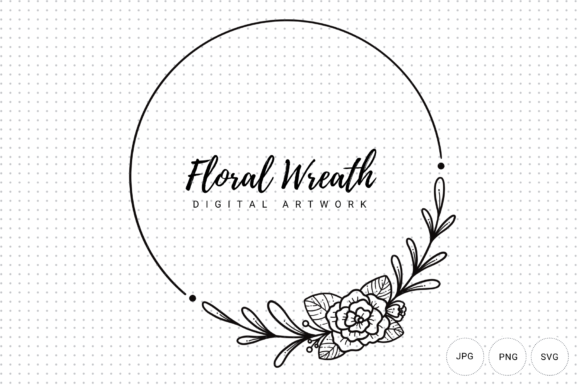
Doodle Flower Wreath Clipart: A Designer’s Honest Take
What Kind of Projects Does It Belong To?
- Wedding invitations or thank-you cards with a handcrafted touch.
- Custom apparel like baby onesies, holiday sweaters, or cozy sweatshirts.
- Embroidered patches for denim jackets or bags.
- Nursery decor items such as pillow covers or aprons.
- Printed paper goods like scrapbook pages or printable mockups for digital product sellers.
Where to Use It Carefully
- Small hoop sizes: If you're working with anything under 4x4 inches, the details may get lost or distorted. I suggest scaling down carefully and testing the stitch count.
- Textured fabrics: Fabrics like flannel or felt might not show off the fine lines and curves of the doodle style as clearly. Smooth cotton or linen blends tend to highlight the design better.
- Thin or stretchy materials: On lightweight garments or stretchy knits, the stitching needs to be tight and well-supported. Otherwise, the wreath may pucker or lose definition after washing.
- Dark fabric backgrounds: The contrast between the design and the base material matters. Dark colors may require light-colored thread to maintain visibility and depth.
- Curved surfaces: For embroidered caps or hats, the curvature of the surface can affect how the wreath appears. Always do a test run to ensure the design adapts well to the shape.
Practical Notes for Embroidery Designers
- Test on scrap fabric first: Especially if you plan to scale or modify the design. See how it reacts to your machine, stabilizer, and thread tension.
- Check thread color contrast: If your design will sit on a dark background, make sure the chosen thread colors stand out. Consider using white or pastel shades for better visibility.
- Review stitch density: Dense fill stitches might cause distortion or stiffness. Opt for running stitches or spaced fill patterns if the fabric is delicate or stretchy.
- Confirm hoop size: If the file requires a larger hoop than you typically use, factor that into your workflow. Larger hoops can be tricky in home studios with limited space.
- Inspect small details: Since this is a detailed illustration, check that all the tiny flower stems and leaves translate well into the embroidery file. Some software may simplify these automatically, so review them before finalizing.
- Try black and white mockups: Before choosing thread colors, visualize the design in grayscale. This helps determine whether the composition holds up without color.
- Compare light and dark backgrounds: You’ll want to see how the design performs on both ends of the spectrum. Adjust thread choices accordingly for optimal contrast.
- Use proper stabilizer: Especially on thin or stretchy materials. A good stabilizer keeps the fabric from puckering and ensures the design stays crisp after stitching.
- Confirm licensing before selling: If you plan to sell finished products or digital embroidery files, always double-check the license terms. Not all clipart is suitable for commercial use.
⬇️ Download Free
Free download · No sign-up required
🔗 You Might Also Like
Illustrations
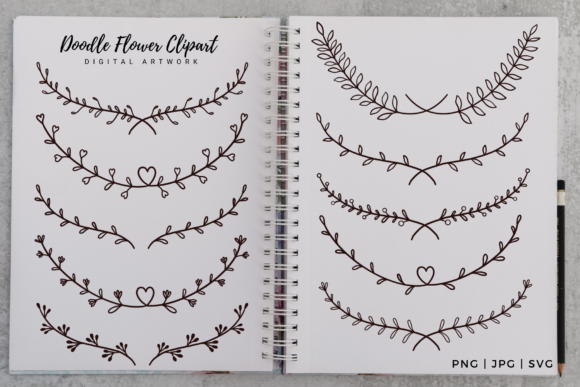
Where These Designs Shine - Custom Apparel: Tote bags, sweatshirts, t-shirts. - ...
Illustrations
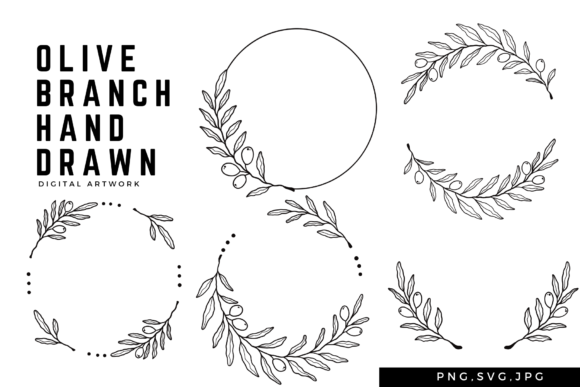
As an embroidery designer and product reviewer, I’ve had the chance to work with...
Illustrations
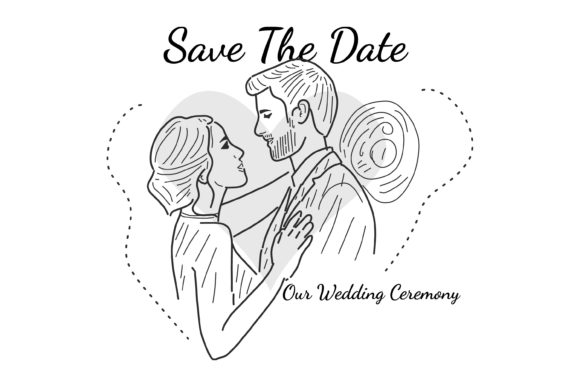
As an embroidery designer who regularly evaluates digital files for real-world u...
Illustrations
As a seasoned embroidery designer and product reviewer, I’ve had the chance to w...
Illustrations
If you're a creative who loves the free-spirited charm of bohemian design, Boho ...
