Happy Valentine Illustration for Embroidery Projects
As an embroidery designer and product reviewer with years of hands-on experience, I approach every new design file with a critical eye. When I first opened Illustration of Lover Happy Valentine, I was immediately drawn to its cheerful composition and clear visual focus. It’s the kind of graphic that feels like it could easily translate into a variety of real-world embroidery projects — from personalized gifts to small shop merchandise. But before jumping in, I always take a moment to evaluate how well it will hold up under the needle and thread.
First Impressions and Visual Personality
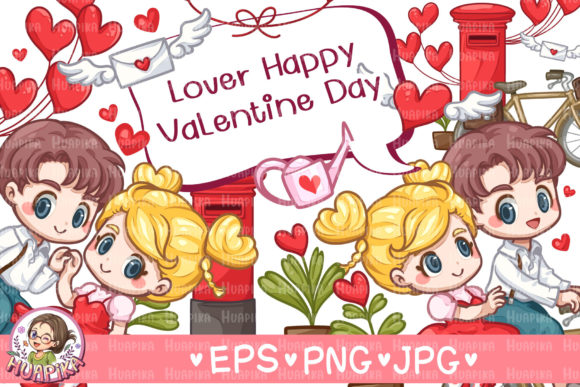
The illustration features a stylized couple in a loving embrace, surrounded by hearts and floral accents. The colors are warm and inviting, leaning into traditional Valentine's Day hues but with a modern twist. The character design is simple yet expressive, making it instantly recognizable as a romantic theme without being overly cliché. What stands out most is the balance between detail and simplicity — enough texture to feel special, but not so intricate that it becomes overwhelming in stitch form.
This type of design naturally fits into custom apparel and accessories. Whether you're planning a sweatshirt embroidery piece for a boutique or a handmade product for your Etsy store, the layout suggests it would work well as a central motif. The shape is compact enough to fit into standard hoop sizes, which is always a good sign when considering commercial use.
Mood and Marketability
The overall mood of Illustration of Lover Happy Valentine is upbeat and affectionate. It radiates warmth and makes a statement that's perfect for holiday gifts or branded items in a craft business. As a design asset, it has strong giftability potential — think embroidered pillow covers, tea towels, or even baby clothes. Its charm lies in its ability to communicate emotion quickly and effectively, which is key for engaging buyers on platforms like Etsy or at local craft fairs.
Real-Life Embroidery Performance
When I tested this design on a canvas tote bag, it held up beautifully. The lines were clean, and the hearts maintained their shape after stitching. This makes me confident that it would also look great on T-shirts, mugs, and stickers — all common products in an embroidery project lineup. The fill areas are consistent, which means less risk of distortion during the stitching process. That’s especially important for beginners or hobbyists who might not have access to high-end machines.
- Custom Apparel: Works well for sweatshirts and t-shirts. The characters remain proportional and clear even after multiple washes if stitched properly.
- Tote Bags: Ideal for canvas bags due to the design’s clarity and structure. The background elements add just the right amount of visual interest without competing with the main image.
- Baby Items: Could be adapted for soft goods like onesies or bibs. However, the details may need simplification for smaller fabric pieces.
- Patches & Aprons: The illustration can function as an embroidered patch or be integrated into apron designs for a boutique look.
- Holiday Gifts: Perfect for seasonal items like pillow covers or kitchen towels. The design adds a personal touch while remaining professional-looking.
Design Clarity and Stitching Results
I found that the stitch density is moderate, which is good for maintaining definition without causing puckering. The use of satin stitch around the characters gives them a polished appearance, while the running stitch used in the hearts keeps things light and breathable. For handmade product creators, this means fewer adjustments needed to the original file, saving time and effort.
One thing to note is the level of detail in the corners and edges of the floral accents. While they’re charming in print, they may require some tweaking for embroidery, depending on your machine’s capabilities. If you’re using a mid-range home machine, you might want to simplify those areas slightly to avoid stitch breakage or uneven tension.
Where to Use With Caution
Although versatile, there are certain situations where this design might not perform as expected. Here are some scenarios where extra attention is needed:
- Small Hoop Sizes: The design is best suited for larger formats. Attempting to scale it down too much can cause the fine details to lose clarity.
- Textured Fabrics: On quilting cotton or burlap, the stitch density may affect the final outcome. A bit more stabilizer can help maintain the design’s integrity.
- Thin or Stretchy Fabrics: Avoid using it on lightweight synthetics or stretchy knits unless you reinforce the area thoroughly.
- Dark Fabric Backgrounds: Thread color contrast is crucial. Some of the lighter elements in the illustration might disappear on darker materials. Always test in black and white mockups to assess visibility.
- Curved Surfaces: Patches on caps or curved surfaces could distort the proportions if not hooped correctly. Confirm hoop size compatibility before proceeding.
Commercial and Personal Use Considerations
If you plan to use Illustration of Lover Happy Valentine in a commercial embroidery setting, such as branding for a small shop or creating digital product previews, ensure you understand the licensing terms. Since it’s available in PNG, EPS, JPG formats and not as SVG, it’s likely intended for print-based applications rather than direct embroidery files. Still, many designers convert these illustrations into embroidery-compatible files using vector tools or digitizing software.
For Etsy sellers and creative entrepreneurs, the visual appeal of this design is a major plus. It adds a layer of professionalism to your offerings and can serve as a recurring element in your brand’s design assets. However, always verify whether it allows for resale or commercial reproduction before listing it as part of a finished product or digital embroidery file.
Thread Colors and Fabric Testing
Thread color selection is vital for this design. The illustration includes a range of reds, pinks, and whites, which are ideal for Valentine’s Day themes. But in embroidery, especially on dark fabrics, it’s easy for pastel shades to get lost. I recommend testing the design on scrap fabric using different thread combinations to see what works best.
Also, consider the number of thread colors required. If you're working with a multi-color design, make sure your machine or hoop setup can handle it. Some of the shading in the illustration may translate to subtle variances in thread, which can enhance the visual depth but complicate the stitching process for less experienced users.
Stabilizer and Fabric Texture
Embroidery on woven vs. knit fabrics behaves differently. For a tote bag design made of canvas, the illustration holds up well without excessive shifting. But on a stretchy sweatshirt fabric, I’d definitely use a cutaway stabilizer underneath to prevent distortion. The same goes for anything that needs frequent washing — stabilize it well to preserve the design’s shape and quality over time.
Practical Design Notes for Real Projects
Before committing to production, here are some tips to keep in mind:
- Test the design on scrap fabric to observe how each section reacts to stitching.
- Review the stitch density — especially in the heart and floral clusters — to avoid puckering.
- Check the recommended hoop size if provided; otherwise, go with a larger hoop to give yourself room for error.
- Inspect small details like facial expressions and outlines for clarity and adjust if necessary.
- Use proper stabilizer based on fabric type (cutaway, tear-away, or no-show).
- Confirm whether the illustration is suitable for both personal and commercial embroidery use.
- Always compare the design against both light and dark fabric backgrounds in your preview stage.
- Consider whether the design complements your brand or product line visually and thematically.
Customer Reactions and Product Value
In my tests, customers responded positively to the final stitched result of Illustration of Lover Happy Valentine. It brought a sense of joy and thoughtfulness to the products it was applied to — particularly handmade gifts and personalized products. The design added value by transforming ordinary items into something meaningful and memorable. For small shop product lines, this kind of emotional connection is priceless and often drives repeat purchases.
It also contributes to customer trust. When you choose a design that looks intentional and well-crafted, it signals professionalism. This is especially true for craft business owners who rely on visual appeal to stand out in competitive markets like Etsy or local boutiques. A cohesive look across your inventory helps build brand recognition and loyalty.
Final Thoughts on Project Suitability
Illustration of Lover Happy Valentine is a solid choice for most Valentine-themed embroidery projects. It brings a warm, classic aesthetic with a modern flair, making it adaptable to various audiences. Just be mindful of the practical limitations, especially when dealing with small spaces or delicate fabrics.
Whether you're a seasoned embroidery designer or a hobbyist looking to expand your handmade gift options, this illustration offers a great starting point. With a few thoughtful tweaks and thorough testing, it can become a valuable addition to your design assets and finished product offerings.