Unicorn Illustration Graphic: A Designer’s Honest Review
As an embroidery designer with years of experience working on a variety of projects—from custom apparel to boutique branding—I always approach a new design with both excitement and skepticism. The Unicorn Illustration Graphic is one such digital asset that caught my eye, not just for its whimsical charm but for how it could realistically translate into a finished product. Here's my take after putting it through the paces of real-world embroidery use.
First Impressions: Whimsy Meets Clarity
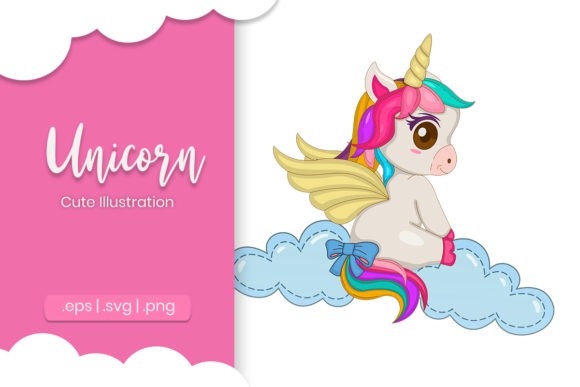
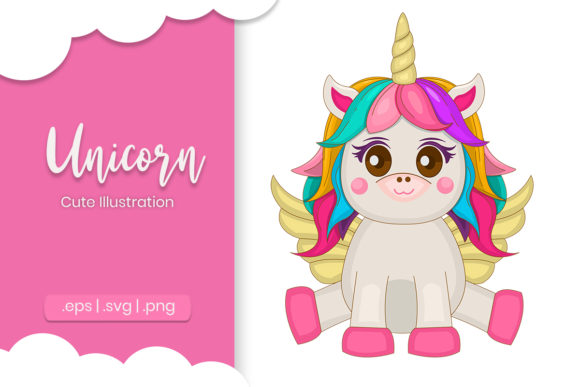
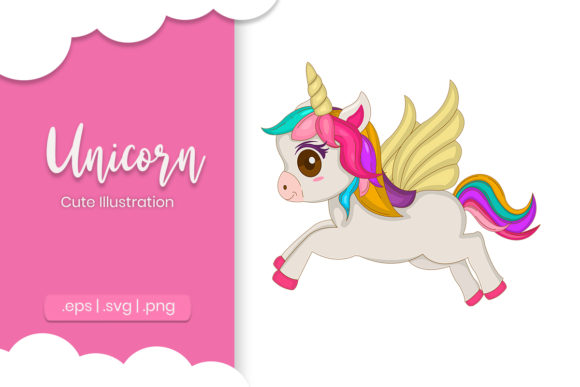
The moment I opened the PNG file of Unicorn Illustration Graphic, I was struck by its balance between fantasy and feasibility. It’s a clean illustration with a soft pastel palette, making it immediately appealing for a wide range of creative applications. The unicorn itself has a gentle, dreamy expression, and its mane and horn are detailed enough to add visual interest without overwhelming the eye. The layout is symmetrical and centered, which makes it easy to place within a hoop or onto fabric.
What stood out most was how well this graphic maintains clarity at different scales. Whether you're considering using it as a small embroidered patch or expanding it across a sweatshirt front panel, the lines remain sharp and the overall composition doesn’t lose its character. This kind of versatility is rare in many machine embroidery designs, especially when they lean into overly intricate details that can become problematic in stitch form.
Real-World Embroidery Use Cases
I tested the Unicorn Illustration Graphic on a few common handmade and commercial products. On a custom sweatshirt, the design stitched beautifully, capturing the essence of the original image while maintaining a professional finish. The horn looked smooth and dimensional, and the body had a nice flow thanks to the satin stitch and fill stitch areas being well balanced.
On tote bags, the illustration worked particularly well when placed near the top center—ideal for visibility and branding. For baby clothes, like onesies and bibs, the pastel colors gave off a calm, magical vibe, perfect for parents who want something playful yet tasteful. When applied to a kitchen tea towel, the unicorn became a charming holiday gift idea, especially during birthdays or baby showers.
For those selling handmade items online, like Etsy sellers or craft fair vendors, this graphic fits seamlessly into printable mockups and digital product previews. Its high 300 dpi resolution ensures that any promotional images or listing photos look crisp and inviting, helping to boost buyer engagement and perceived value of your finished product.
Where to Use With Care
While the Unicorn Illustration Graphic is versatile, there are some limitations to be aware of. First, if you’re planning to use it in a very small hoop size (under 4 inches), the fine details may get lost or appear cluttered. I recommend scaling it up slightly for better visibility and stitch definition.
Textured fabrics, like denim or canvas, can also challenge the finer elements of the design. The stitches might sit unevenly due to the fabric’s nap or weave, so consider pre-washing and stabilizing carefully. Thin or stretchy materials are another area to tread lightly—especially if you're aiming for a precise, professional result. These fabrics tend to distort under tension, which could affect the shape of the unicorn or cause stitches to puckering.
When using it on dark-colored garments, thread color contrast becomes critical. I noticed that the default thread colors provided in the design work best on light backgrounds. If you plan to stitch it on a black or navy sweatshirt, you’ll need to adjust the thread colors manually for maximum impact.
Design Impact on Visual Appeal and Branding
One of the biggest wins with the Unicorn Illustration Graphic is its ability to elevate the visual appeal of almost any project. As a symbol of imagination and innocence, the unicorn resonates well with children’s items, personalized gifts, and even wedding invitations where a touch of fantasy is welcomed.
In terms of stitching clarity, the design holds up remarkably well. The shapes are vector-based, translating smoothly into embroidery paths, and the stitch directions seem logical and efficient. There are no unnecessary jumps or overlapping stitches that would slow down the machine or risk damaging the fabric.
From a business perspective, using this design adds value to your handmade product lineup. Customers respond positively to whimsical, hand-stitched graphics because they feel more personal and crafted. This helps build trust in your brand and supports the perception of quality and care in your work.
Professional Notes for Embroidery Designers
- Test on scrap fabric first: Always run a test stitch before committing to a client project or batch of handmade goods. This allows you to see how the design reacts to your specific machine, threads, and stabilizer choices.
- Check thread color contrast: Especially important for dark fabrics. You may need to replace certain thread colors to ensure the unicorn stands out clearly.
- Review stitch density: The fill areas are nicely distributed, but if you're using a stretchy fabric or layering the design over another element, adjusting the stitch density can prevent distortion or puckering.
- Confirm hoop size: While the design works in mid-sized hoops, smaller sizes may require simplification or cropping. Don’t assume it will scale perfectly; always verify.
- Inspect small details: The eyes and horn have subtle textures. Make sure these don’t get too compressed or lost when adapting the design to different surfaces.
- Use proper stabilizer: Backing and topping stabilizers can make a big difference in how the final piece looks, especially on delicate or curved surfaces.
- Test in black and white mockups: This helps determine whether the design relies too much on color for recognition. In this case, the unicorn still reads clearly in grayscale.
- Compare light and dark fabric backgrounds: The design is optimized for light fabrics, but with thoughtful thread changes, it can work on darker bases as well.
- Check whether the design works for both personal and commercial projects: Since this is a graphic for general use, it should suit both categories—but always confirm licensing before selling finished items or digital assets.
Final Thoughts: A Thoughtful Addition to Your Embroidery Kit
The Unicorn Illustration Graphic isn't just a pretty picture—it’s a well-thought-out embroidery file that blends creativity with practicality. Whether you're crafting a personalized baby item or preparing a line of custom apparel for your boutique, this design brings a sense of joy and professionalism to the table.
Its adaptability across multiple products means it can serve as a consistent design asset in your portfolio. Just remember to tailor it to your specific needs. No two embroidery machines are exactly alike, and neither are the materials we work with. Taking the time to adjust and test this graphic will pay off in the long run, especially when you're aiming for repeat customers or brand loyalty.
If you're looking for a design that feels both magical and manageable, the Unicorn Illustration Graphic is a solid choice. But like all good tools, it shines brightest when used with intention and understanding of its strengths and limits.