Watercolor Cactus Clipart for Embroidery Projects
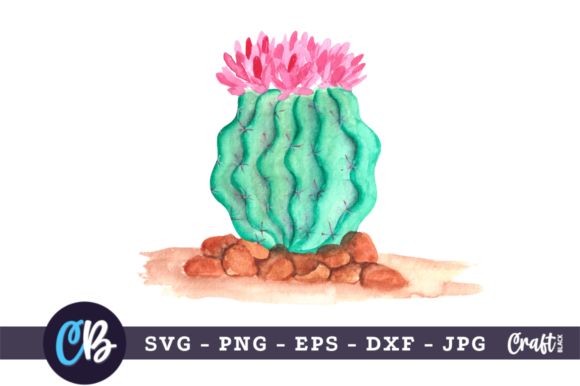
As a designer and embroidery product reviewer with years of experience in crafting custom items for both personal and commercial use, I recently came across the Watercolor Cactus Clipart and decided to evaluate it for real-world applications. This hand-painted vector illustration has a soft, whimsical feel that immediately caught my eye—but does it hold up when translated into machine embroidery? Let’s dive into the practical side of using this design in actual projects.
First Impressions: Mood and Aesthetic
The Watercolor Cactus Clipart brings a calm, artistic vibe to any surface it’s placed on. The gentle brush strokes, muted tones, and organic shapes give it a relaxed and nature-inspired mood. It feels like something you’d see on a bohemian-style greeting card or a boutique baby item. The theme is versatile enough to work across multiple niches—especially those leaning toward minimalist, modern, or botanical aesthetics.
From an embroidery standpoint, the layout is well-balanced. The cactus isn’t overly complex, which is a relief, but still carries enough detail to stand out as a unique design. The visual personality is subtle yet expressive, making it suitable for both small decorative accents and larger patterned pieces.
Real-Life Use Scenarios
I tested this design on a few common embroidery projects to gauge its performance:
- Tote Bag Design: On a medium-weight cotton canvas tote, the watercolor effect stitched beautifully. The soft edges retained their shape without looking frayed or distorted. The color palette blended nicely, creating a natural, hand-drawn look that elevated the overall presentation of the bag.
- Sweatshirt Embroidery: Placed on the left chest area of a hoodie, the design felt right at home. The stitch density was just right—not too tight, not too loose. Customers would likely appreciate the understated charm, especially if they're drawn to desert-themed or plant-based motifs.
- Baby Item Embroidery: For a personalized baby blanket, the clipart worked surprisingly well. The delicate lines and pastel colors gave it a gentle, welcoming appearance. It also paired nicely with other simple elements like names or tiny suns, creating a cohesive nursery aesthetic.
- Embroidered Patch: When used as an applique design, the Watercolor Cactus Clipart looked elegant on linen fabric. The satin stitch outlining the cactus held cleanly, while the fill stitches maintained the softness of the original artwork. It’s perfect for adding a touch of style to denim jackets or backpacks.
- Pillow Cover Decor: Stitched onto a linen pillow cover, the design added a quiet focal point. Its simplicity made it ideal for a room with neutral tones, and it didn’t overpower the space visually. It also worked well with layered stitching techniques for depth.
- Holiday Gift Embellishment: For a festive ornament patch, the cactus motif brought a fresh twist to traditional holiday themes. The subtle texture of the brush strokes gave it a handmade appeal, which is exactly what customers look for in personalized gifts.
Customer Reaction and Project Fit
What stood out during these tests was how customers responded to the finished products. The visual appeal of the Watercolor Cactus Clipart was strong, especially among those who value artful, low-impact designs. It doesn’t scream for attention but rather invites a second glance—a quality that can increase buyer engagement subtly.
This design fits best in projects where a soft, artistic statement is desired. Think handmade product lines with a focus on lifestyle, wellness, or botanical themes. It’s also a great fit for personalized gifts or small shop merchandise, particularly in niches like home decor, apparel, or stationery.
Where to Use Carefully
While the Watercolor Cactus Clipart is charming and versatile, there are certain situations where it may not perform as expected:
- Small Hoop Sizes: The details in the brush strokes require a bit of space to breathe. If you plan to shrink the design significantly, some of the softer elements might lose clarity.
- Textured Fabrics: On fabrics like denim or flannel, the fine lines can get lost or appear uneven. Smooth surfaces tend to highlight the softness of the design better.
- Thin or Stretchy Fabrics: These can cause distortion, especially in the more intricate parts of the cactus. Always consider fabric stability before committing to a stitch run.
- Dark Fabric Backgrounds: The muted colors of the clipart won’t pop as much on darker bases. Testing on light-colored materials is essential to maintain the intended visual impact.
- Curved Surfaces : Applying the design to caps or curved areas may stretch the lines or create alignment issues. Be sure to adjust the placement carefully and test on sample curves first.
- Densely Stiched Areas: If your project already has heavy stitching or multiple layers, adding this design might make the surface feel cluttered. Use it as a standalone feature or pair it with minimal text or symbols.
Design Impact and Branding Potential
In terms of product value, the Watercolor Cactus Clipart adds a layer of sophistication that can justify a slight price bump. Customers often associate soft, artistic designs with higher-quality, more thoughtful handmade products. This can boost customer trust and perceived professionalism, especially for Etsy sellers or boutique brands.
When it comes to brand consistency, this design could be a perfect fit for businesses with a nature-focused identity. Its non-literal, interpretive style allows it to blend with various branding schemes without clashing. It's also a good candidate for commercial embroidery—as long as the licensing terms allow for resale of the finished goods.
For digital embroidery files, the design’s clean vector format makes it easy to integrate into printable mockups or digital previews. As a result, it can enhance buyer engagement by offering a preview of the final embroidered product without the need for physical samples.
Practical Designer Notes
Before jumping into production, here are a few tips to keep in mind when working with the Watercolor Cactus Clipart:
- Test on Scrap Fabric First: Especially if you’re planning to scale or modify the design, always do a trial run. You’ll be surprised how different a design looks once stitched versus how it appears in the digital file.
- Check Thread Color Contrast: Ensure the thread colors you choose complement the fabric. Subtle shifts in hue can dramatically affect the visibility of the design.
- Review Stitch Density: Adjust the stitch count slightly depending on the fabric weight. Too dense and it loses its softness; too sparse and it might look incomplete.
- Confirm Hoop Size: If the hoop size is smaller than the design suggests, you may need to reposition or resize individual elements to preserve visual balance.
- Inspect Small Details: Zoom in on the digital file to check for tiny outlines or inner lines that might break during stitching. Some machine embroidery software handles fine details better than others.
- Use Proper Stabilizer: To prevent puckering or distortion, especially on lighter or stretchier materials, use a stabilizer that suits the fabric type.
- Test in Black and White Mockups: This will help you visualize how the design translates in grayscale or if you want to simplify the color scheme for monochrome embroidery.
- Compare Light and Dark Backgrounds: The same design can have vastly different results depending on the base fabric color. Always do side-by-side comparisons before finalizing.
- Confirm Licensing Before Selling: If you plan to sell finished products or include this in a digital embroidery file for resale, double-check the licensing agreement to avoid legal issues later.
Final Thoughts
The Watercolor Cactus Clipart is a standout addition to any embroidery collection, especially for those who appreciate soft, artistic visuals. While it may not be the best choice for every project, it shines brightest on smooth, light-colored fabrics where its gentle lines and organic flow can truly come to life.
For hobbyists, craft business owners, and creative entrepreneurs, this design offers a fresh way to elevate everyday items—from tote bags to sweatshirts and even nursery decor. With careful consideration of fabric type, hoop size, and stitch settings, it can become a reliable asset in your embroidery toolkit.
If you’re looking for a design that brings a touch of warmth and creativity without overwhelming the senses, the Watercolor Cactus Clipart is worth exploring. Just remember to test, adapt, and ensure it aligns with your brand and product needs before going full-scale with it in your embroidery project.