Butterfly Line Art: A Versatile Embroidery Design for Real Projects
As an experienced embroidery designer and product reviewer, I’ve had the chance to work with a wide range of digital embroidery files. When I first saw Butterfly Line Art, it caught my eye for its simplicity and elegance. This design isn’t just another butterfly; it’s a clean, modern line art piece that brings a touch of nature into any project without overwhelming it. The beauty of this file lies in its adaptability — it works well across multiple applications while maintaining a consistent visual appeal.
A First Look at Butterfly Line Art
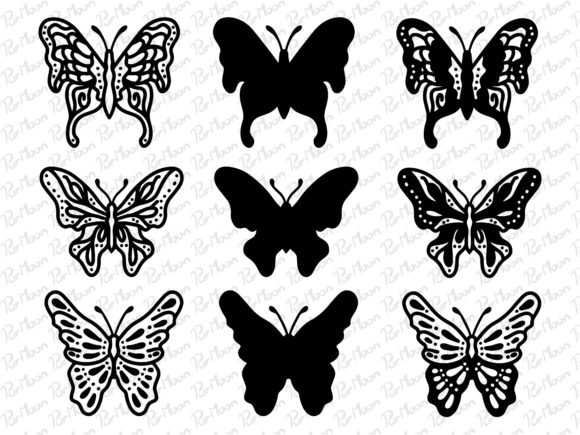
The moment you open the digital embroidery file, the line art structure is clear and deliberate. It features a stylized butterfly with smooth, flowing lines and minimal shading. The layout is balanced, with enough negative space to let the subject breathe, making it ideal for both small and large formats. The theme feels timeless, bridging the gap between whimsical and sophisticated. It’s the kind of design that can easily be paired with other elements or used as a standalone motif.
What stands out most is how it maintains a sense of movement despite being in outline form. The wings are gracefully curved, and the body has just the right amount of detail to feel intentional without becoming too fussy. As a designer, I immediately thought about how this could work on a custom sweatshirt or even as part of a larger wall art panel. The visual personality of Butterfly Line Art leans towards the artistic side, which means it can fit into boutique branding or high-end handmade products quite nicely.
Real-World Use Cases
I recently tested Butterfly Line Art on a tote bag design for a client’s eco-friendly gift line. The result was impressive — the butterfly looked crisp and elegant when stitched onto a medium-weight cotton canvas. It didn’t need much in the way of thread color variation, but it still made a strong visual impact. The same design also worked well as an embroidered patch on a denim apron, where the fine lines added a subtle yet stylish finish.
- Custom Apparel: The design looks great on t-shirts and sweatshirts, especially when using a single or two-tone thread palette. Its shape fits well on the chest area without being too busy.
- Baby Embroidery: For delicate items like onesies or pillow covers, the soft lines and clean silhouette add a gentle charm that appeals to parents looking for personalized gifts.
- Holiday Gifts: Stitched onto tea towels or decorative pillows, Butterfly Line Art adds a festive but refined touch. It’s subtle enough for everyday use and special enough for gifting.
- Commercial Embroidery: The design scales well and retains clarity, which makes it suitable for small shop products and Etsy listings. It gives your items a professional edge without appearing overly commercial.
- Digital Product Previews: If you're an online seller, the file can be used in printable mockups and digital previews. Its minimalist style translates well into various backgrounds and mockup templates.
Where to Use with Care
While Butterfly Line Art is versatile, there are certain situations where you’ll want to tread carefully. The fine details in the lines may not hold up on very textured fabrics like heavy wool blends or corduroy. Similarly, if you’re working with stretchy materials such as spandex or lycra, the tension during stitching can cause distortion in the delicate outlines.
- Small Hoop Sizes: The butterfly’s wingspan requires a decent amount of room. Using it in a hoop smaller than recommended (which should be checked by the user) might lead to cramped visuals or compromised stitch quality.
- Dark Fabrics: On darker backgrounds, the contrast of the lines becomes critical. You’ll need to ensure the chosen thread colors pop against the fabric.
- Layered Garments: When embroidering over seams or folds, the design might lose some of its symmetry or sharpness. Always test it on a flat surface first.
- Curved Surfaces: Placing this design on something like a cap or hat requires extra attention to alignment and stabilizer choice. Curves can make the lines appear uneven unless handled properly.
Design Notes for Best Results
Before jumping into production, I recommend doing a few practical checks. Start by testing the design on scrap fabric that matches your final product. Pay close attention to stitch density — since it's a line-based design, it shouldn't be too tight, but it also needs enough coverage to look neat after washing.
Here are some key steps I follow:
- Use a black and white mockup to visualize how the lines will stand out on different surfaces.
- Compare how the design looks on light versus dark fabric backgrounds.
- Check if the file includes specific hoop size recommendations or machine compatibility notes.
- Confirm the license allows for commercial use if you plan to sell finished items or digital assets.
If you're using this for a handmade product, consider the type of stabilizer you'll need. A tear-away or cut-away stabilizer might be better depending on the fabric texture. Also, review the thread colors included in the design. While they offer a good starting point, sometimes a change in color can enhance the overall look significantly.
Customer Perception and Project Value
In my experience, customers respond positively to designs that are both beautiful and functional. Butterfly Line Art strikes that balance perfectly. It doesn’t scream for attention but quietly commands it. Whether it's on a sweatshirt embroidery or a wedding invitation, the design elevates the product without overpowering it.
This subtle sophistication can boost product value and customer trust. People know when a design is well-executed, and the precision of Butterfly Line Art communicates professionalism. It also supports brand consistency — especially for businesses that want a natural or artisanal feel in their merchandise.
Practical Application Tips
For those planning to use this design in real projects, here are a few tips from the field:
- Always inspect the small details like wing edges and antennae before stitching. These areas can become blurry if the stabilizer isn't right or the fabric stretches.
- Test it on a sample of the actual finished product to see how it holds up through wear and washing.
- Consider adding a satiny border or running stitch around the design to give it more dimension without altering the original concept.
If you're an Etsy seller or run a craft business, this design can help increase buyer engagement. The clean lines make it easy to incorporate into seasonal themes, and the versatility ensures it won’t go out of style quickly. It’s also a great candidate for printable mockups and design assets that showcase your creative offerings.
Final Thoughts
Butterfly Line Art is a standout among illustrations and graphics for embroidery due to its thoughtful composition and adaptability. It’s not a flashy design, but that’s exactly what makes it so effective. When applied correctly, it adds a layer of visual appeal and emotional resonance to any project.
However, as with all machine embroidery designs, success depends on proper preparation. Don’t skip the step of testing it out first. Review the file format and check for any provided specifications like hoop size or compatible machines. If these aren’t listed, reach out to the designer or vendor for confirmation before proceeding with mass production.
Overall, Butterfly Line Art is a solid addition to any embroidery designer’s toolkit. It offers flexibility, aesthetic appeal, and a sense of craftsmanship that resonates with buyers. Just remember to match it with the right fabric, hoop, and thread to truly bring out its potential in your next embroidery project.