★★★☆☆3.6(142 reviews)
Tree Line Art Embroidery Design Review for Real Projects
First Impressions: Mood and Visual Personality
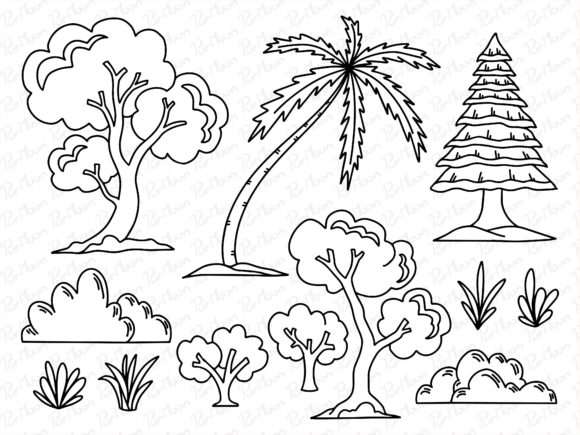
When I first opened the Tree Line Art embroidery file, I was immediately drawn to its clean and elegant aesthetic. This is a design that feels both modern and timeless — it doesn’t shout but rather invites you in with its subtle charm. The layout is balanced, with tree lines forming a natural rhythm that makes it easy on the eye and versatile for various applications.Real-World Use Cases for Tree Line Art
I recently used Tree Line Art for a batch of custom embroidered tote bags for a boutique client. The design was placed along the top edge of each bag, wrapping around the handle area. It added a soft, organic touch that elevated the product from basic canvas to something more thoughtful and visually appealing. This design also worked well in a baby sweatshirt embroidery project. The line art style gave it a gentle, whimsical feel that matched the innocence of the item perfectly. As a sweatshirt embroidery option, it didn’t require too much coverage or saturation, which is ideal for garments where breathability and comfort are key. For custom apparel, especially items like t-shirts and hoodies, Tree Line Art serves as a great base for layering text or smaller motifs. Its neutral tone allows it to complement names, dates, or additional graphics without competing for attention.Where Tree Line Art Shines
- Tote Bag Design: The linear flow of the trees makes it perfect for curved or straight edges.
- Baby Embroidery: Gentle and soothing, it adds a touch of calm to personalized items.
- Holiday Gifts: Works beautifully on tags, mugs, and wall art for seasonal collections.
- Commercial Embroidery: With its consistent look, it’s suitable for small shop product branding and Etsy listings.
Design Considerations for Best Results
While Tree Line Art is impressive overall, there are certain scenarios where extra care should be taken. For example, if you're working with small hoop sizes, the design might need scaling down carefully to maintain its visual impact. When reducing the size, I recommend checking each segment of the tree lines to ensure they remain legible and don't get lost in the fabric grain. Textured fabrics like flannel or denim can pose challenges. The fine details in the line art may not stitch as crisply due to the fabric’s nap or weave. In such cases, using a high-quality stabilizer and adjusting stitch density slightly can help preserve the design’s integrity. Stretchy or thin materials also require attention. If you’re planning to use Tree Line Art on a stretchy cap or a lightweight cotton tee, consider testing it on scrap fabric first. Stretch can distort the shape of the trees, especially in areas with long, flowing lines.Stitch Clarity and Thread Choices
The design uses a mix of running stitch and fill stitch techniques, which gives it depth while keeping the overall look soft and approachable. The stitch directions are smooth and logical, avoiding unnecessary jumps or confusing paths. I’ve used it with both single and multi-color applique designs and found that it integrates seamlessly. For instance, adding a small bird motif next to the tree lines created a cohesive and harmonious scene that customers responded positively to.Visual Appeal and Project Value
One of the biggest strengths of Tree Line Art is how it enhances the perceived value of any handmade product. Whether stitched onto a greeting card or a custom patch, it brings a level of professionalism that makes the finished item feel intentional and refined. For Etsy sellers and digital product creators, the design is a solid choice for printable mockups and digital previews. It translates well into vector formats and maintains its clarity even at smaller resolutions, making it suitable for online displays and social media marketing.Practical Designer Notes
Before committing to a full production run, I always suggest testing the design on scrap fabric similar to what you’ll use for the real project. This helps identify potential issues with hoop size, thread colors, and stabilizer requirements early on. Also, inspect the corners and junctions of the tree lines under magnification. These areas should have smooth transitions to avoid visible stitch skips or distortion after washing. If you plan to use it on items that undergo frequent laundering, like tea towels or aprons, double-check the stitch density and tension settings. If you're considering using this design for commercial embroidery, remember to confirm licensing terms before selling finished products or design assets. Many designers offer personal-use-only files, so it's important to know whether Tree Line Art permits resale or commercial application.Final Thoughts on Tree Line Art
Overall, Tree Line Art is a versatile and thoughtful addition to any embroiderer’s collection. It brings a natural, calming presence to a wide variety of projects, from personalized gifts to commercial embroidery runs. The balance between simplicity and detail makes it suitable for both beginners and experienced professionals looking to elevate their offerings. It’s not a design that demands attention — instead, it earns it through subtlety and quality execution. Whether you're crafting for your own creative outlet or building a product line for a craft business, Tree Line Art has the potential to add meaningful character and visual interest to your work.
⬇️ Download Free
Free download · No sign-up required
🔗 You Might Also Like
Illustrations
First Impressions and Visual Personality When I first opened the Flower Line Art...
Illustrations
As an experienced embroidery designer and product reviewer, I’ve had the chance ...
Illustrations
As a designer who frequently works with machine embroidery designs , I’m always ...
Illustrations
As an experienced embroidery designer and product reviewer, I always take a step...

Illustrations
As an embroidery designer and product reviewer with years of hands-on experience...
